Independent AI factory · Copenhagen

AI agents for complex work.

We build AI applications around the tools your team already uses. Our work ranges from agents that test software changes to speech models trained for Kurdish.

Three small robots share an assembly bench at the centre of an isometric AI factory.
Founder’s studio
Inside the factory

How an app comes together

Fit the display.

Products we’ve built

Explore a ServiceNow change, a legal enquiry or a Kurdish voice. Each product starts with a different kind of work.

Choose a product to explore

Take a ServiceNow change from request to review.

Meteor reads a request and proposes a design. Once your team approves it, agents work in a development or test instance and record their actions. Your team tests the result and decides whether to release it.

Explore Meteor
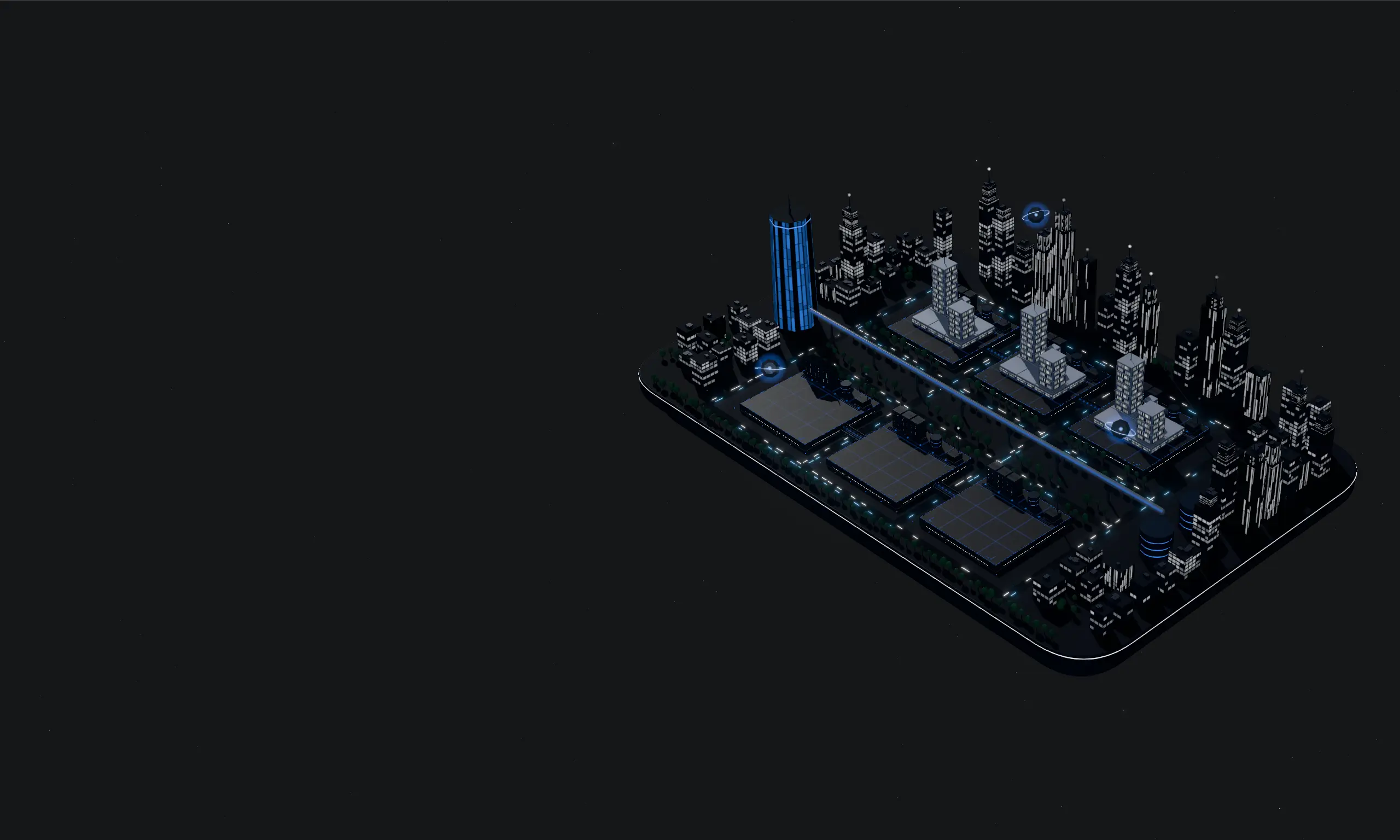
Illustrated ServiceNow change

Escalate incidents when a response is overdue.

Inspect the designClose the design
Proposed change

Add a response deadline and an escalation rule. A platform owner reviews both before the test build.

Ask a case file what is missing.

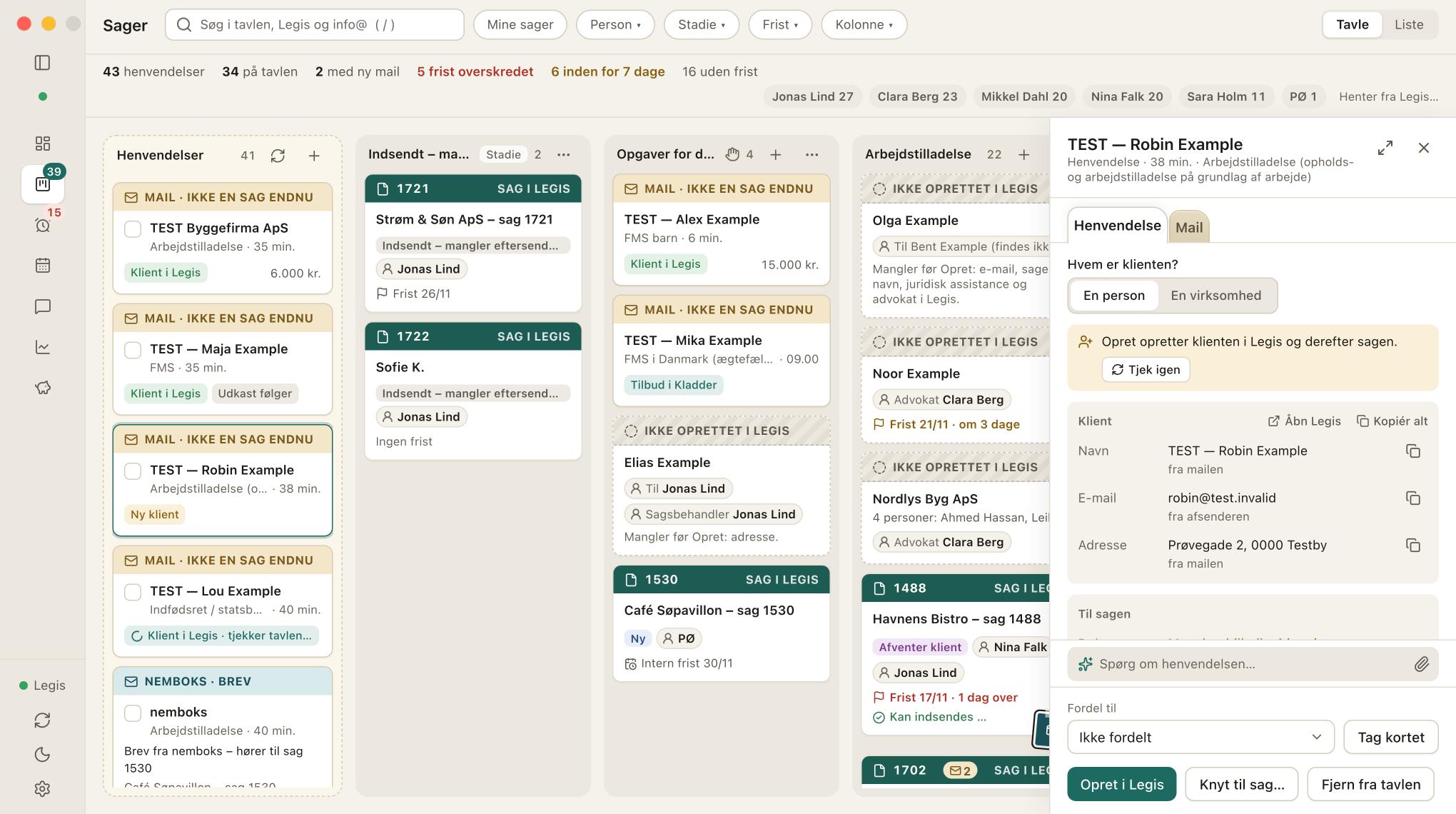
A lawyer can ask Yasai to find an attachment, check a contract or draft a reply in Outlook. The team reviews the answer against the source and can prepare a case in Legis 365.

Follow a case in Yasai
Yasai’s Danish case board with a work permit enquiry open beside its correspondence and case controls.
Yasai · Enquiry workspaceOpen full-size image

Give Kurdish text a voice.

KurdishTTS reads text aloud in Sorani, Kurmanji and Badini. Its speech recognition turns spoken Sorani and Kurmanji into text for dictation and captions.

Try KurdishTTS

Kurmanji · Cast voice

Îro dengê kurdî bi awayekî xwezayî tê bihîstin, li her derê û ji bo her kesî.

Today, Kurdish speech can be heard naturally, everywhere and by everyone.

How we build an AI product

The important decisions often sit outside the model. Which records can it read? What counts as a good result? When should a person take over?

  1. Choose one task

    Start with an example from the team’s working day and agree on the result they would accept.

  2. Give the agent its tools

    Connect the right records and actions. Where the task needs a specialist model, prepare training examples for it.

  3. Test the difficult cases

    Hold back examples the model has never seen. Check when to proceed, ask for more information or stop for review.

  4. Put it in people’s hands

    Bring the result into the application the team uses, with the evidence and controls they need to act.

Inside Meteor’s agent harness

The harness gives the model access to tools, remembers the task and checks permission to build. Switch the approval state to see what it allows.

Design approval
The design is ready. Build permission is still closed, so the test instance receives no change.With the design approved, the agent builds the change in a test instance. The team can inspect the result and the tool log in Meteor.
More about this service

How a routing model learns

In this reinforcement learning example, a simulated warehouse rewards a route to the loading bay. Try a blocked route, the learned route and a layout held back for testing.

Training route
This route ends at a shelf. The training algorithm uses the penalty to make that turn less likely in similar situations.Across repeated trials, the policy learns which turns earn a reward. Here it takes a clear aisle around the shelves.Before connecting the model to a routing app, evaluate it on layouts it has never seen. In this test, the shelves have moved and the model must find a different route.
More about this service

Start a project

What should we build together?

Tell me about a task your team knows well and what you wish worked better. Pick a starting point and your note will come directly to me.

Write to Bear about something else