Custom AI development · AI agents
AI agents and applications, built around your systems.
We design and build AI software for one well-defined job at a time: an agent that handles a workflow, an application your team works in, or an integration that lets AI act in the systems you already run.
Discuss a buildIllustrated example · A ServiceNow escalation rule
From request to tested change
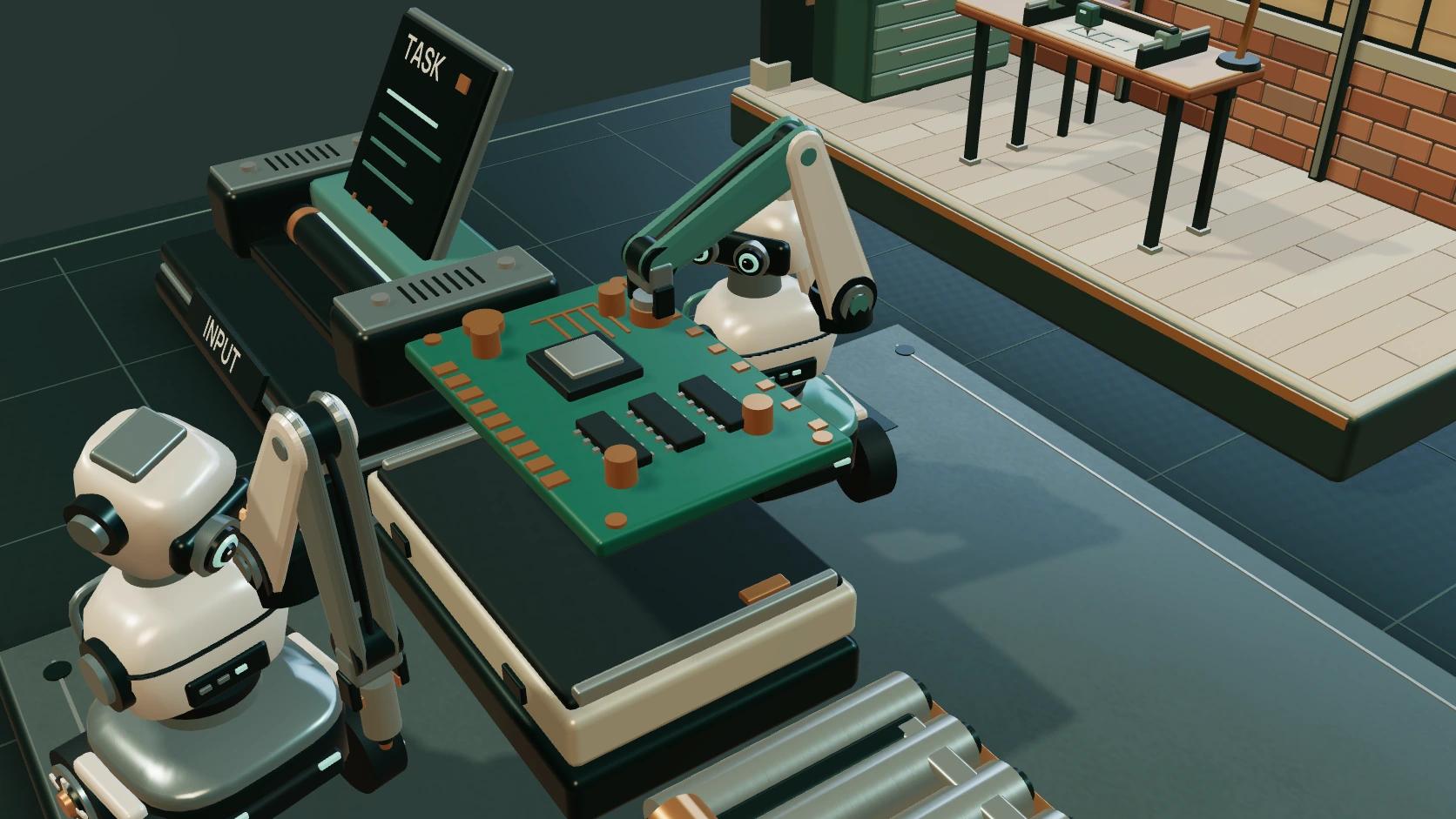
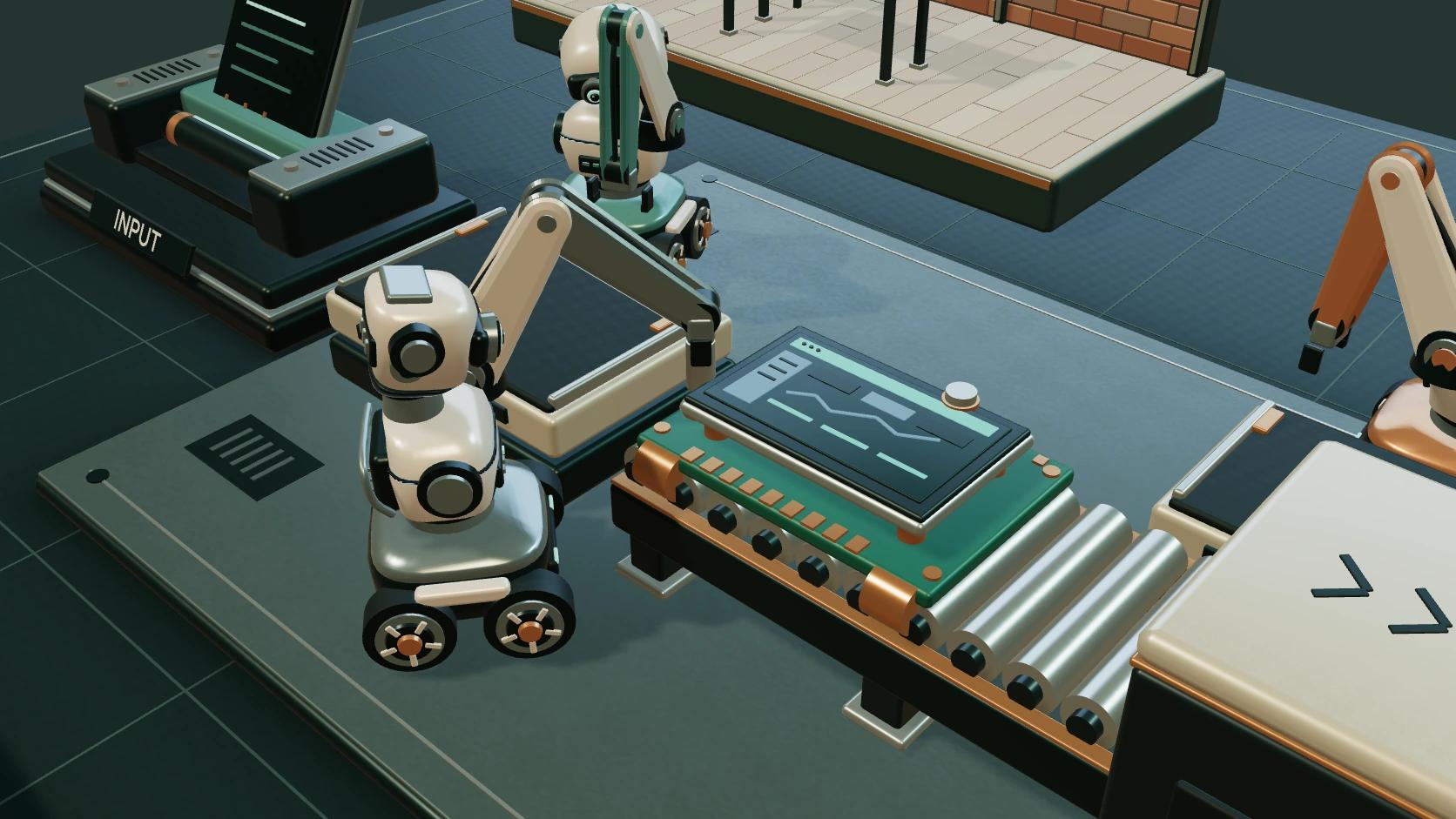
Write the rule and the test
Define which incidents count as overdue. Agree on cases where the agent should escalate and where it should leave the incident alone.
Build in a test instance
After the design is approved, the agent configures the rule outside production and records what it changed.
Review the result before release
Check an overdue and an on-time incident. The platform owner reviews the results and decides whether the change is ready to release.
Roj Bear is an AI development company in Copenhagen that builds custom AI agents, agent harnesses and AI-native business applications and takes on clients in Denmark, across Europe and beyond. Each build connects to the client’s existing systems, is tested against real examples agreed in advance and leaves the decisions that matter with a person. Roj Bear’s own products, Meteor and Yasai, are built the same way.
Software we have built
Our own products are the clearest evidence of how we build.

Meteor
AI agents for ServiceNow implementation. A change moves from design to approval, a build in dev or test and acceptance by the customer’s team, with every tool call on record.
Explore Meteor
Yasai
An AI-native workspace for law firms. Lawyers ask in chat, and Yasai finds the correspondence and documents, prepares Outlook drafts and tracks deadlines, connected to Legis 365, CVR and e-conomic.
Explore Yasai
KurdishTTS
Built by Roj Bear’s founder: speech models trained for Kurdish, with about 200 voices, text-to-speech in Sorani, Kurmanji and Badini, and speech-to-text in Sorani and Kurmanji, and about one second to first audio.
Visit KurdishTTS
What we build
AI agents for workflows
Agents that read, decide and act across several steps: triaging requests, preparing cases, drafting replies or carrying out a configuration change, with approval where it is needed.
Agent harnesses
The software around the model: the tools an agent may use, how it tracks the task, what it records and when it must stop and ask a person.
AI-native applications
Interfaces where people ask for an outcome in plain language, inspect the source and decide what happens next, rather than a chat box added to old screens.
Integrations with business systems
Connections to Microsoft 365 and Outlook, ServiceNow, case management and accounting systems, databases and internal APIs, so AI works with real data instead of copies.
Model selection and evaluation
We choose models for the task, the cost and the data requirements, and build test sets from your examples so quality is measured rather than assumed.
Fine-tuning and custom models
When a general model is not good enough for your language or domain, we prepare the data, then fine-tune and evaluate a model of your own.
How a build runs
Pick one job
We start with a single task your team knows well and use real examples to agree what a good result looks like.
Design before building
You see how the agent or application will work, which systems it touches and where a person approves, before the build starts.
Build and test against your examples
We build in short iterations and test each version against the agreed examples in a development or test environment.
Hand over and keep improving
You receive the working software, its documentation and the test results. We can keep improving it with you, or your team can take it over.
A good fit when
- A task is frequent, follows known rules and still takes skilled people hours every week.
- The work spans several systems, and copying between them is part of the job.
- A person must approve what the AI does, and you need a record of what it did.
- Off-the-shelf AI tools do not understand your language, domain or data well enough.
Questions about AI development
What is an AI agent?
An AI agent is software that uses a language model to plan and carry out a task in several steps, with tools such as searching a mailbox, reading a document or updating a system. A well-built agent records what it did and asks a person before actions that matter.
What is an agent harness?
The harness is the software around the model. It decides which tools the agent may use, keeps track of the task, records each step and sets the points where a person must approve. Much of an agent’s reliability depends on the harness, not only on the model.
Which AI models do you use?
We choose the model for each task based on its quality on your examples, its cost and speed, and where data may be processed. That can be a commercial model, an open model or one we fine-tune for you.
Can the AI work with our existing systems?
Yes, that is usually the point. Our products already connect to Outlook, ServiceNow, Legis 365, CVR and e-conomic, and we build connections to other systems that have documented APIs.
How do you know the AI works?
Before building, we agree a set of real examples and what a correct result looks like. Each version is tested against them, and you see the results, including where it still fails.
Where is our data processed?
That is decided for each project and documented before the build: which provider processes the data, in which region and under which agreement.
Describe a task your team repeats.
Tell Bear what the task is, which systems it touches and who checks the result. That is enough to say whether an agent or an application is the right tool and what a first version should include.